
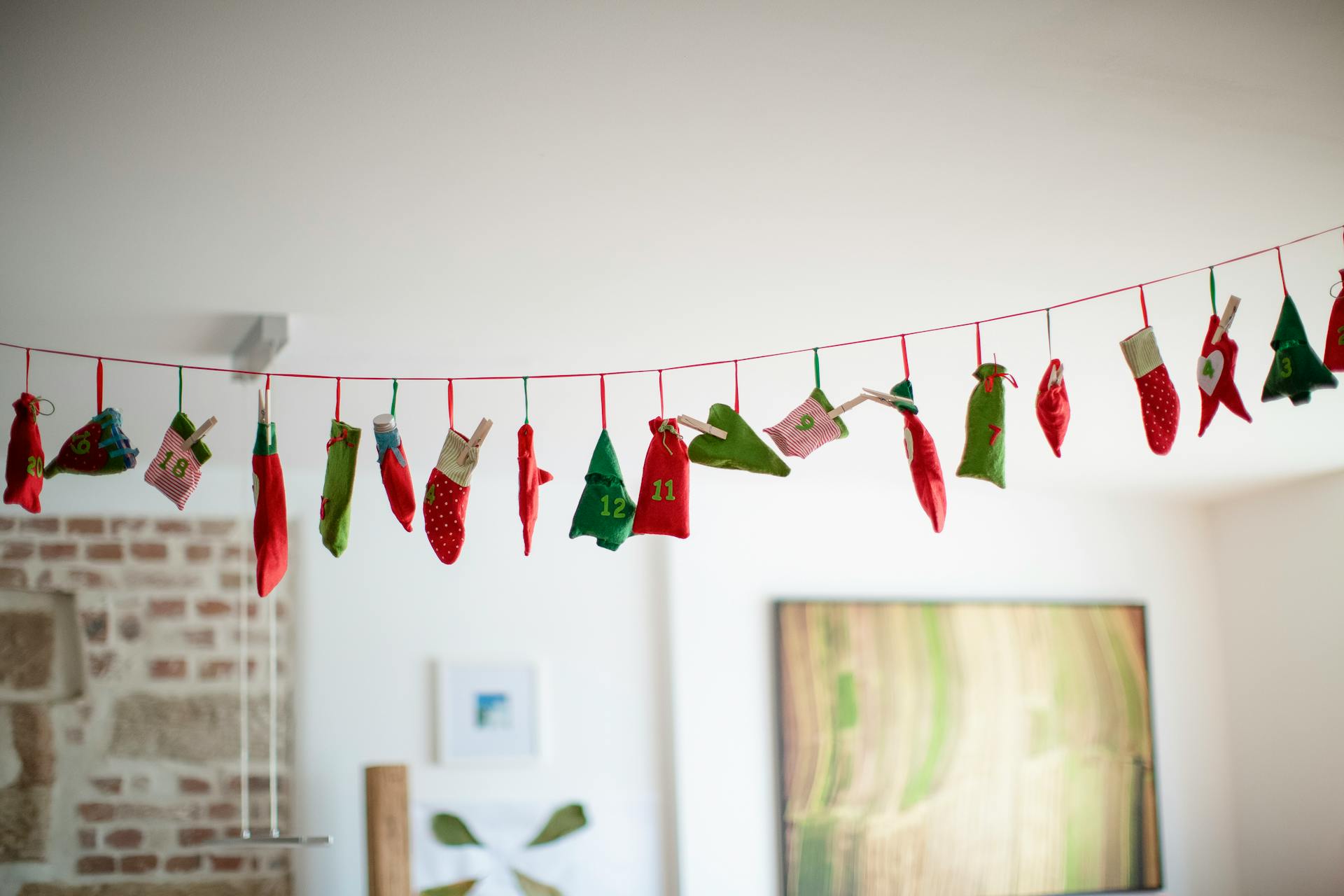
The advent calendars are a countdown to the 24 days till Christmas combining expectation with tiny daily gifts. They were started as chalk marks on the walls and candles on a daily basis by Protestant families in Germany in the 19 th century, which developed into printed joys. In the modern times, the differences in the world are based on culture, religion, and innovation- and hence they are a commonplace holiday ritual.
German Roots: Devotional Beginnings
The tradition was born in Germany. The families celebrated Advent with the help of simple objects: Lighting one candle a day, putting straw in a Nativity crib, or nailing Bible verses. In 1908 Gerhard Lang commercialized it, using the first printed calendar, based on 24 cookies of his mother. By 1920s, there were images on the doors; paper shortages during WWII halted production until 1946.
Scandinavian Simplicity and Nature
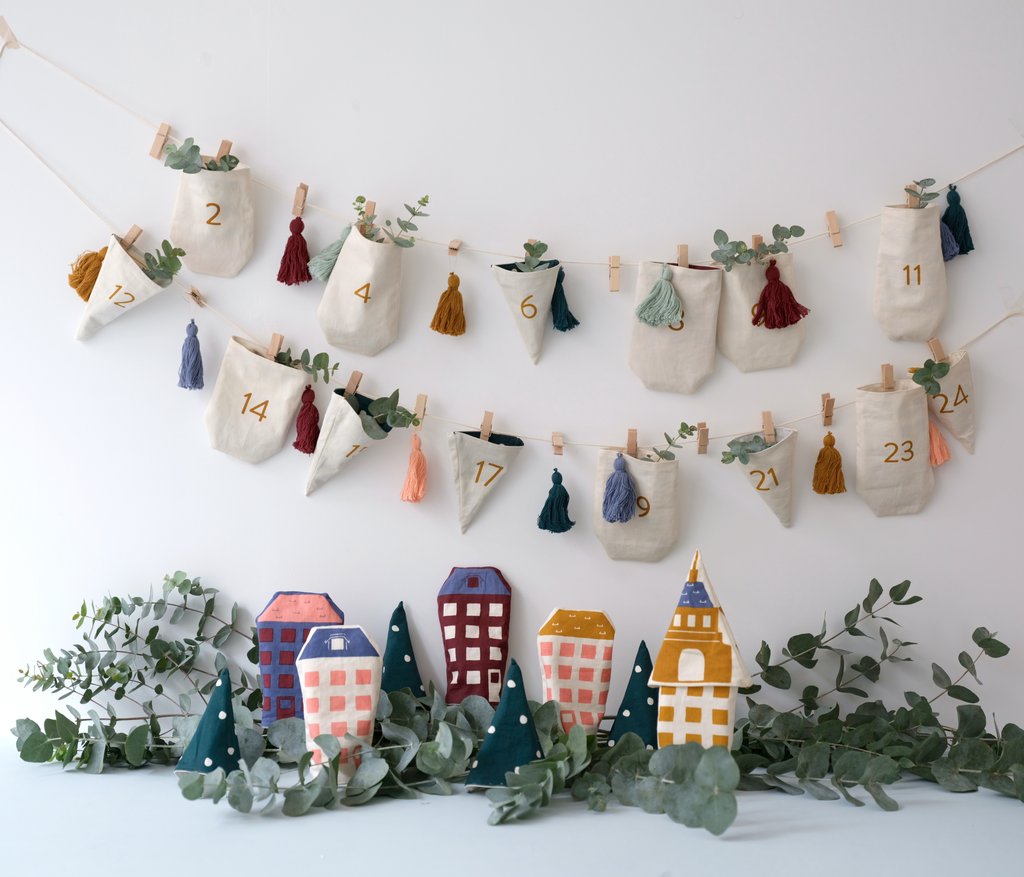
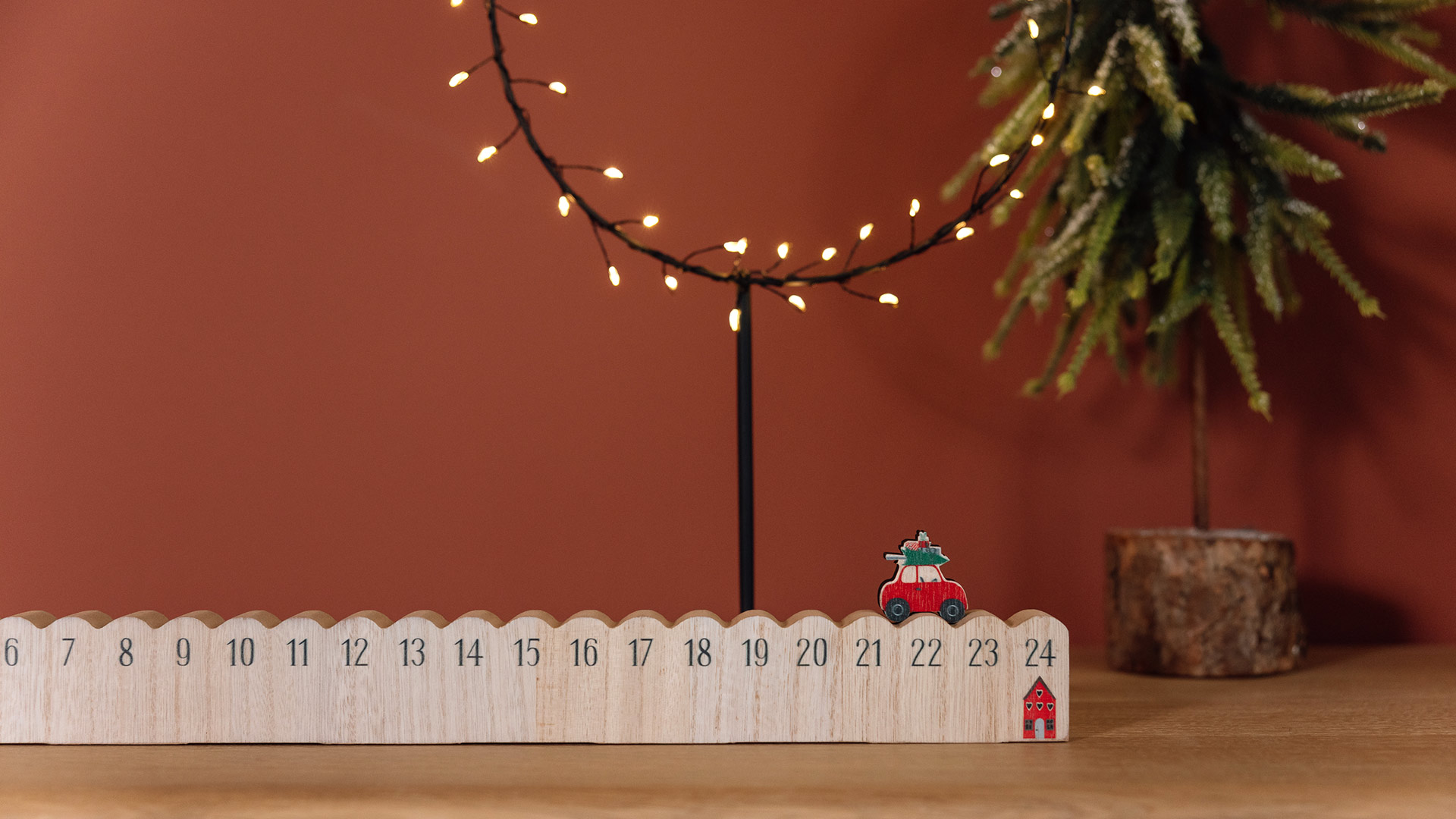
Reusable wooden calendars are predominant in Sweden and Norway carved houses with drawers to store notes or treats. Saffron buns are associated with Lucia Day (Dec. 13). In Danish versions, there are hygge atmospheres: Knitted cosies on the mugs with chocolate every day. The trend goes green; families make use of birch bark creating their own products and being more environmentally conscious than disposables.
French Elegance: Chocolate and Art
France raises with chocolatiers such as La Maison du Chocolat that sells the advent calendars as the art of luxury- gold-foiled boxes with pralines in the form of Eiffel towers. Perched calendars resemble Alpine chalets. The wine-based doors are the secular variations, where the local wine goes with local cheese.
British Charity and Community Focus
UK calendars are full of nostalgia as well as intention. Childhood cardboard classics conceal bible verses or tea bags. Current hits: Charity editions in which food banks take the proceeds- open a door, donate a meal. Pub crawls are carried out with QR-linked maps of “boozy” virtual tours; families choose puzzle-piece reveals of building Nativity scenes.
American Commercial Creativity
Supercharged commercialization in the USA after WWII through the souvenirs of the soldiers. On top of chocolate (Hershey miniatures) niche calendars are booming: Craft beer sample packs, Lego projects, Sephora makeup collections, even pet snacks. Jewish equivalents of Hanukkah include eight days of gelt or dreidels. Countdowns are gamified using digital apps, and the AR visits of Santa.
Latin American Festive Fusion
The calendars of Mexico are in harmony with posadas (Dec. 16-24) of which the piñata-shaped ones release candies. In Brazil, they are syncretic, combining Catholic base with Carnival glitz: Samba bead strands exposed each day. Guatemala prefers woven fabrics concealing tamales recipes.
Asian Adaptations and Modernity
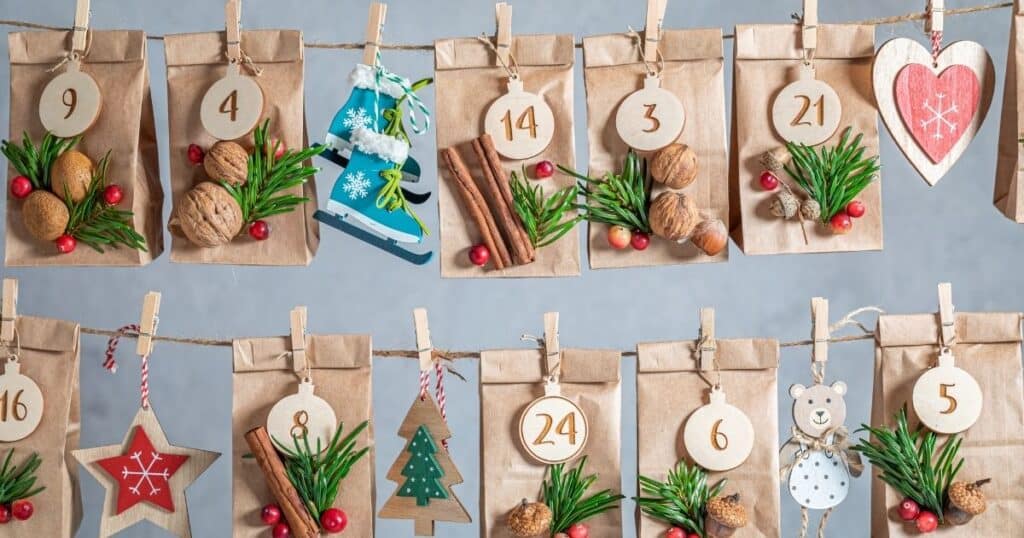
Japanese buy chocolate calendars but localizes matcha kits or anime figures. Philippines is a mash-up of Spanish heritage and parol (star lanterns) revelations. The urban Christians in India make sweets using mango behind closed doors.
DIY Global Innovations
Families are becoming customized all around the globe: Australia puts Tim Tams in kangaroo pockets; Iceland conceals puffin facts. Eco-trends prefer seed-implanted paper-plant doors after Christmas. Technology NFC chips pair with Spotify playlists or Zoom family calls.
Action Steps to Start Your Tradition
Get wooden ones, which can be reused, online. Personalize: Stuff with the notes, local snacks, acts of kindness. Get children to do crafts- glue doors, draw pictures. Video calls enable sharing across the world. Donate extras to shelters.
Advent calendars are not tied to origins, and generations can be happy together in their countdowns. Make yours; take pleasure in the season.